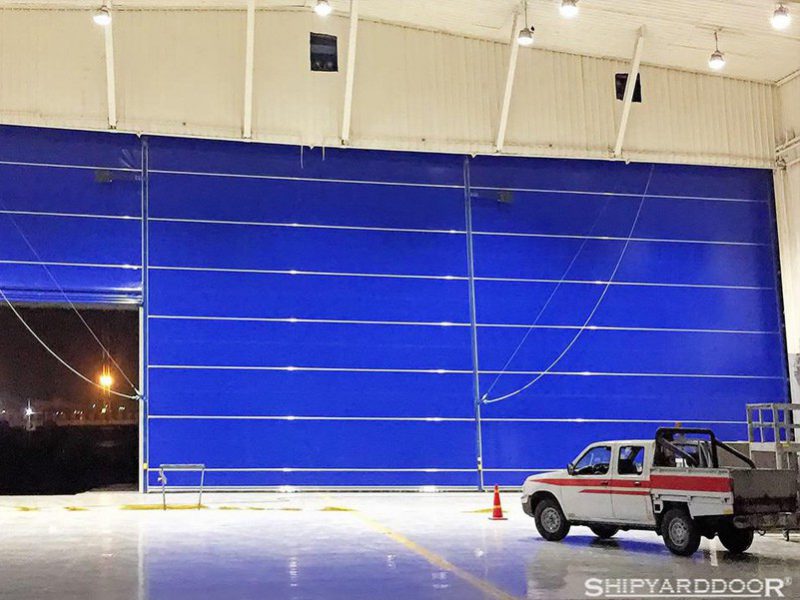
The Reality of Hangar Doors: Why Agradad Prioritizes Engineering Over Aesthetics
When you manage an aviation facility, you quickly learn that the hangar door is the most vulnerable point in your entire infrastructure. It isn’t just about closing a gap or securing a building; it is about protecting millions of dollars in sensitive assets from the external environment. We’ve seen enough hangar doors jam during a crucial maintenance shift, or warp under high wind loads, to know that “off-the-shelf” industrial door solutions rarely survive the harsh reality of an airport environment.
At Agradad, we stopped trying to build “standard” doors years ago. Instead, we focused on building systems that actually solve the specific headaches facility managers and airport engineers deal with daily.
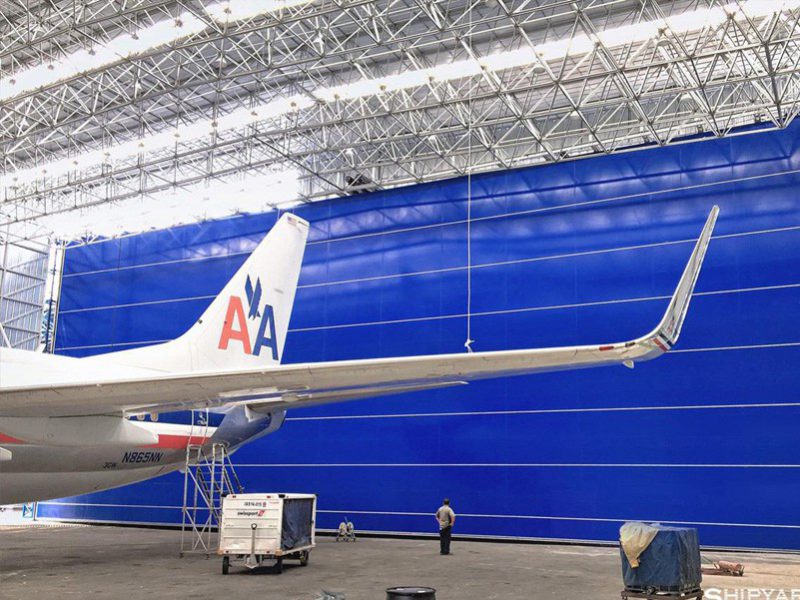
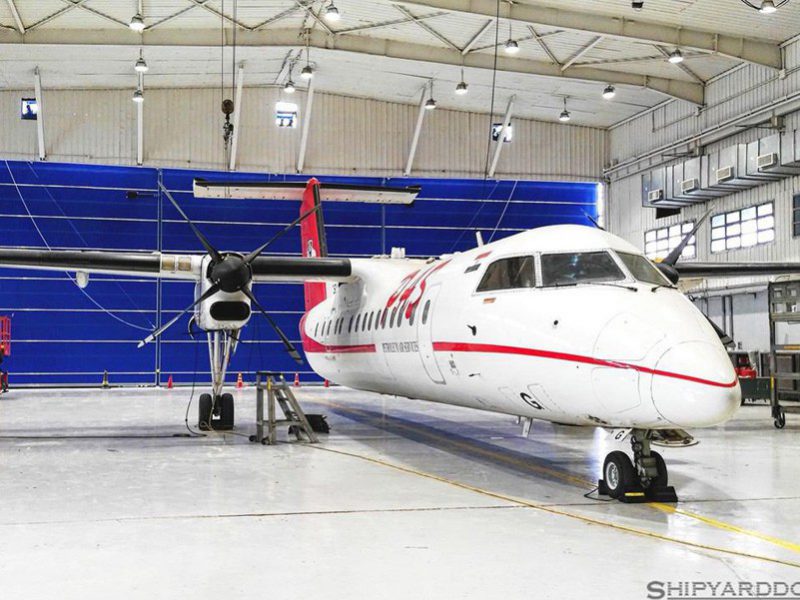
Why Our Fold-Up Systems Are Different
We didn’t design our fold-up doors to win beauty contests; we designed them to handle the sheer physical abuse that heavy-duty hangar doors take on a day-to-day basis.
- Handling the Physics of Wind: Most hangar doors fail because the wind load isn’t calculated correctly for the local environment. When a high wind event hits a massive door surface, the structural frame needs to manage that load without warping. Our design uses high-tensile, horizontal wind-resistant supports that distribute pressure across the entire frame. If you’re in a high-wind area or an open airfield, you know exactly how critical this structural integrity is to preventing the door from leaving its rails.
- The “Sealing” Problem: A door that leaks air is an expensive liability. We prioritize perimeter seals that don’t just look good on paper but actually keep the dust, moisture, and debris out. When you’re trying to protect sensitive avionics, composite materials, or fresh paint in an MRO facility, a tight seal isn’t a luxury—it’s a requirement. We use heavy-duty bottom seal flaps that conform to uneven hangar flooring, ensuring that your climate control systems aren’t fighting the outside air.
- Speed, Without the Vibration: We use high-torque, industrial-grade motors that can handle the high-cycle demands of a busy commercial or military hangar. More importantly, we’ve integrated Variable Frequency Drives (VFD) as standard. This allows the door to start and stop smoothly. This is a crucial engineering detail because it prevents the mechanical vibration and “snapping” motion that usually shakes a door system apart over time. We aren’t just selling speed; we are selling longevity.
Built for the People Who Run the Hangar
We understand that in the aviation business, downtime is your worst enemy. A locked door during a maintenance operation can delay flights and cost thousands in revenue. That’s why we don’t just sell you a door and disappear. We work with your team, analyze your specific structural load requirements, and ensure that when the door is installed, it works—every single time.
Our safety systems aren’t “extra features” or marketing bullet points; they are non-negotiable built-ins. Anti-drop brakes, infrared obstacle sensors, and manual emergency overrides are integrated because we know that safety is the first thing your team looks for when they approach a door this large.
Let’s Talk Shop
We’re not interested in overwhelming you with glossy marketing brochures. We’d rather talk about your hangar’s dimensions, the wind loads you’re dealing with, and how we can get a door installed that you won’t have to worry about for the next decade. If you’re ready to stop dealing with subpar, high-maintenance door systems, get in touch with our engineering team today. Let’s review your project specifications and build something that lasts
- Manufacturing country: Iran
- Product warranty: 2 years
- Price: 2.300.000$
- Product quality: Perfect
Related products
Air lock door